Vinyl vs CD: Which Sounds Better?
By Dylan AnderPublished November 23, 2026Updated November 23, 2026
Accuracy versus experience
On paper, CD is the more accurate format: lower noise, wider dynamic range, and no wear from playing. Vinyl wins on the experience, the artwork, and sometimes the mastering. Which sounds better to you depends more on the edition and your system than the format.
Side by side
Format
Vinyl: Analog groove, read by a stylus
CD: Digital, 16-bit at 44.1 kHz, read by a laser
Playing time
Vinyl: About 22 minutes per side on a 12-inch LP
CD: Up to 74 to 80 minutes, no flipping
Wear
Vinyl: Each play wears the record and stylus slightly
CD: No contact wear during play
Noise
Vinyl: Some surface noise
CD: No surface noise or hiss
Artwork
Vinyl: 12-inch jacket, room for liner notes
CD: Small booklet
CD figures from Wikipedia's compact disc article; vinyl wear and noise from its phonograph record article.
How each format works
A record stores sound as a physical groove. When it is cut, the audio is shaped by the RIAA curve, which per Audio-Technica trims bass and boosts treble so more fits in the groove, then a phono preamp reverses it on playback. A CD stores the audio as numbers, two channels of 16-bit samples taken 44,100 times a second.
Why vinyl can sound different
- Mastering. An edition can use a different master from the CD; see the loudness war.
- Physical limits. The groove limits how loud a side can be cut, and longer sides are cut quieter.
- Playback chain. The cartridge, preamp, and setup all color the sound.
- Listening habits. A record asks you to sit through a side.
Cost and care
Vinyl needs a turntable, a preamp, and a stylus that wears out (see how long a stylus lasts, based on Audio-Technica's figures). Records also need cleaning and upright storage.
Our take
If you want the closest copy of the master, CD. If you want an album to feel like an event, vinyl. Start with a record you already love; our list of the best vinyl records to buy first and the artist guides are good places to begin.
180 gram vinyl
Heavier records resist warping. Whether the weight changes the sound, from manufacturer sources.
By Dylan AnderNovember 23, 2026
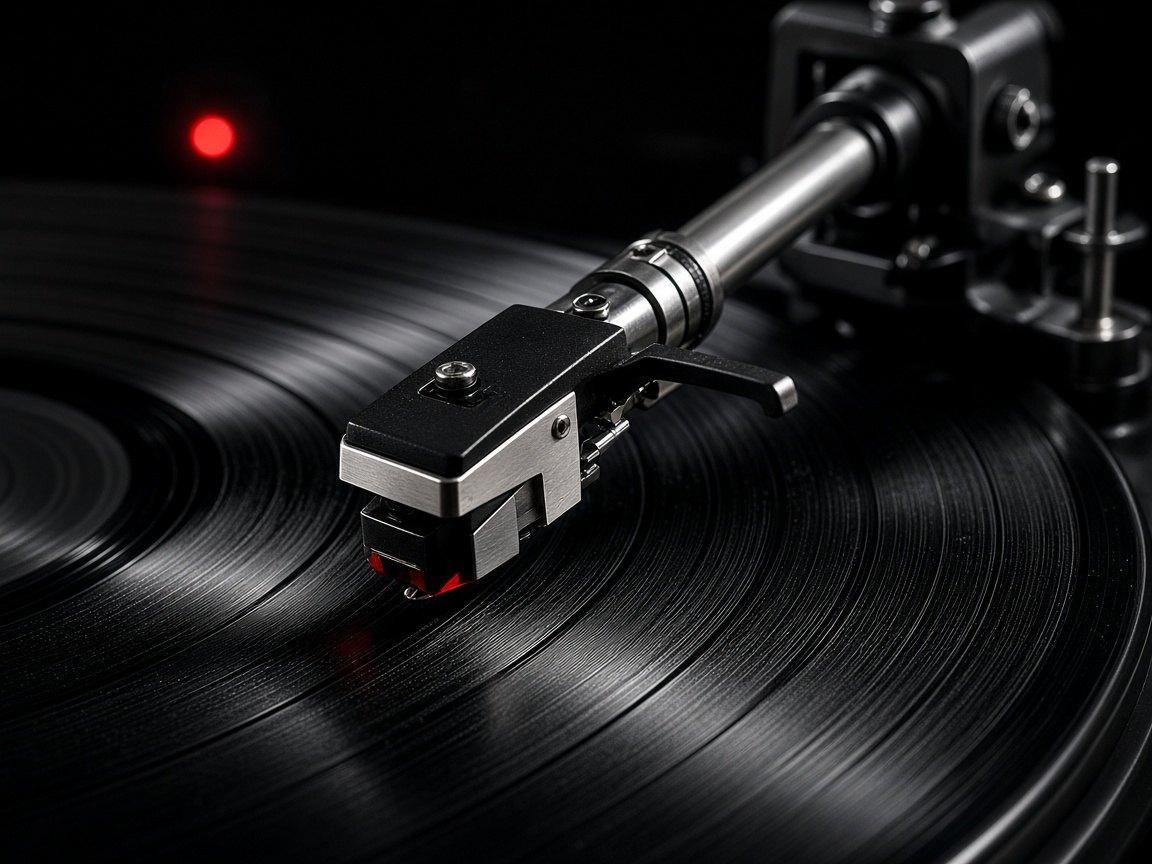
What is a phono preamp
What a phono preamp does, and how to tell if you already have one.
By Dylan AnderNovember 23, 2026
Mono vs stereo vinyl
One channel or two, and why 1960s mono pressings matter.
By Dylan AnderNovember 23, 2026

Best vinyl records to buy first
Widely reissued starting albums, not a pressing-quality ranking.
By Dylan AnderNovember 21, 2026
Record player vs turntable
One has speakers built in, one needs a system. Plus the PHONO and LINE switch.
By Dylan AnderNovember 23, 2026
How to clean vinyl records
Handling and cleaning steps drawn from Library of Congress preservation guidance.
By Dylan AnderNovember 21, 2026
FAQ
- Does vinyl sound better than CD?
- Not by the numbers. Wikipedia's phonograph record article lists surface noise and lower dynamic range among vinyl's drawbacks, and credits CD with eliminating surface noise. Many people still prefer vinyl for the edition, the playback system, and the experience of a full side.
- Why do some albums sound better on vinyl?
- Often it is the master. Wikipedia's loudness war article notes that vinyl's physical limits restricted how loud records could be pushed, and some labels have issued full dynamic range vinyl reissues. Compare editions of the same album, not formats in general.
- Which lasts longer, vinyl or CD?
- Records are gradually degraded by each play, per Wikipedia, and styli wear too, which Audio-Technica puts at 300 to 1,000 hours per stylus. CDs avoid that continuous wear, though they still need careful handling.
- Should I buy vinyl or CD?
- Buy vinyl for albums you want to sit with and own as objects. Buy CD for accuracy and long uninterrupted playback.