


Where to start
London, United Kingdom · 1967 to 2022 · rock, soft rock, blues rock
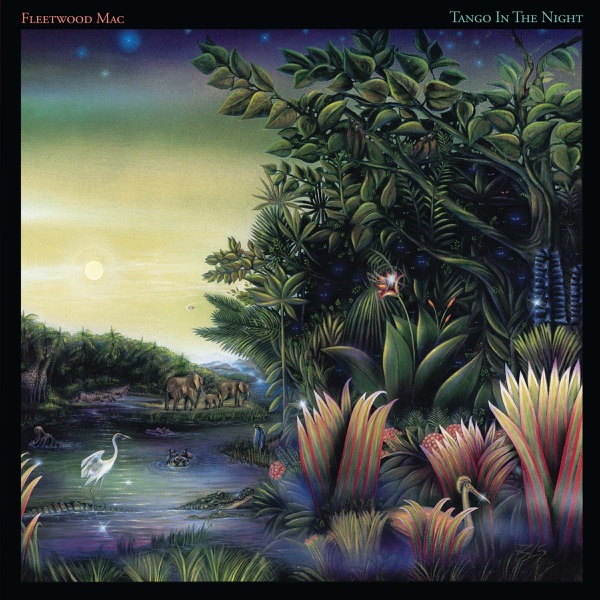
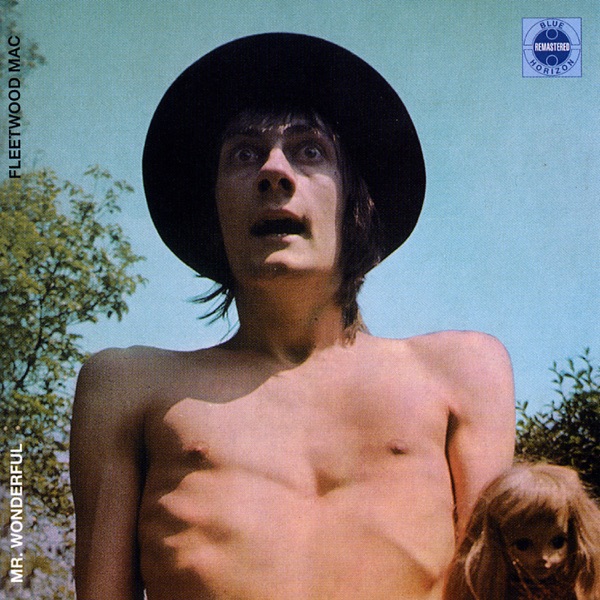
Fleetwood Mac formed in London in 1967, and the catalog is older than the mid-1970s records most new collectors recognize first. Peter Green’s Fleetwood Mac and Mr. Wonderful date to 1968, and Then Play On followed in 1969. The lineup that recorded Fleetwood Mac in 1975 and Rumours in 1977 included Mick Fleetwood, John McVie, Christine McVie, Lindsey Buckingham, and Stevie Nicks. Those two mid-1970s studio albums, along with Tusk in 1979 and Tango in the Night in 1987, are the starter set we name on this hub.
Rumours is the album behind Go Your Own Way, Dreams, The Chain, Don’t Stop, and You Make Loving Fun. That concentration is a reason to buy the 1977 studio album rather than a later greatest-hits disc that borrows those titles. Landslide, which we list for parent dances, comes from the 1975 self-titled album, not from Rumours, and that distinction is easy to miss if you shop by band name alone.
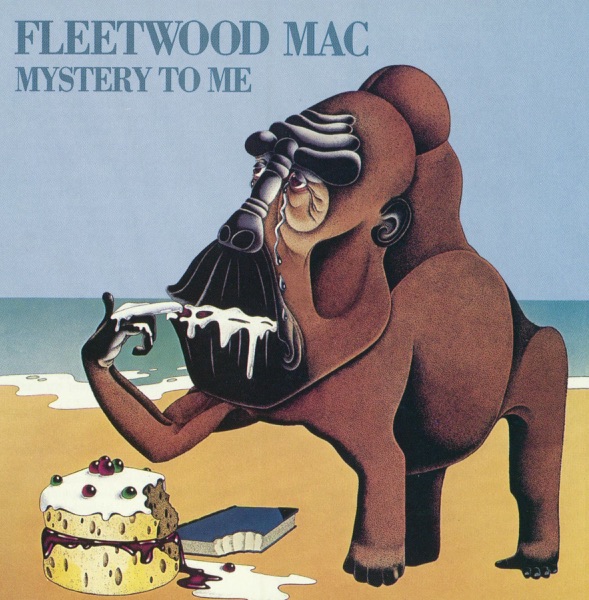
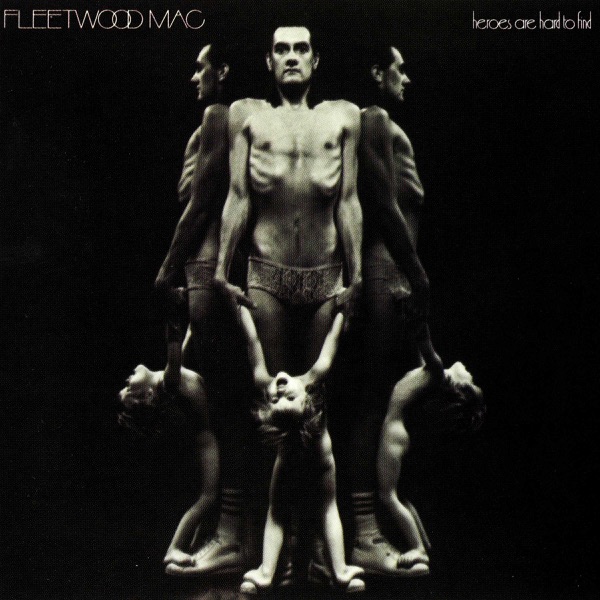
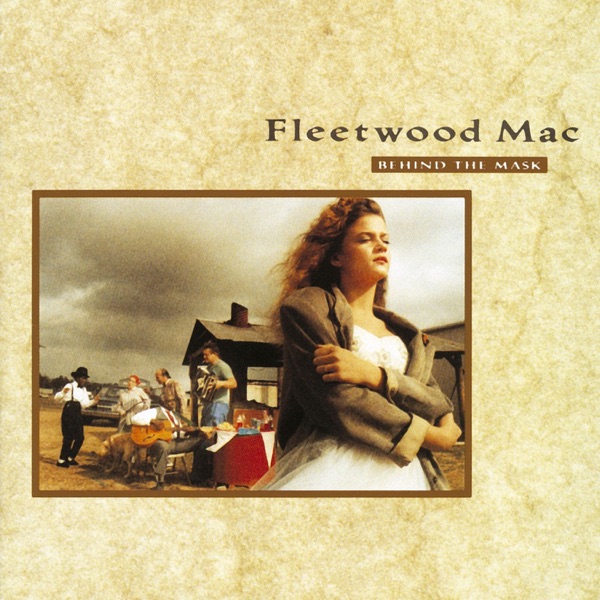
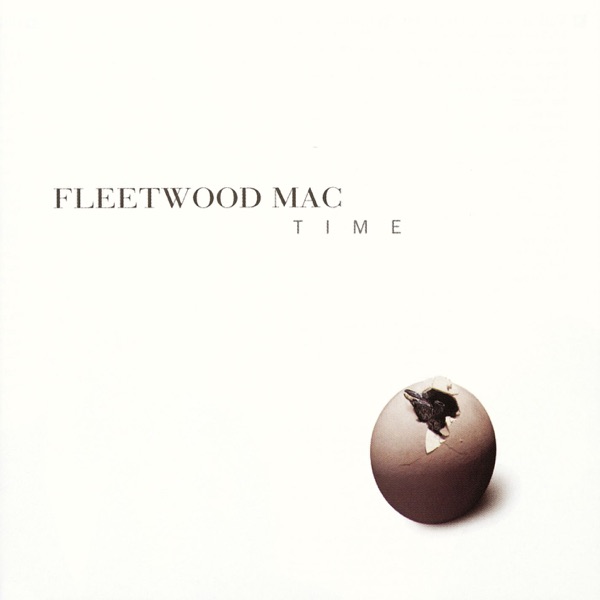
Early albums from the Peter Green period and later studio titles such as Mirage, Behind the Mask, and Say You Will remain in the discography so the career is visible. They are not required first purchases if you came for Rumours or for the 1975 album. Use the years in the row to keep the late-1960s records from being confused with the mid-1970s set.
Landslide is on the 1975 self-titled album, not on Rumours, which is why both records belong in a first Fleetwood Mac purchase rather than only the 1977 LP.
A 1960s beginning, then the mid-1970s albums people actually shop for first
The early Fleetwood Mac albums are part of the official catalog and have their own audience, but they are a different band sound than Fleetwood Mac and Rumours. If a listing shows a 1968 or 1969 date, you are looking at that earlier period, not at Dreams. The discography row is there to make that date visible before you pay for a jacket with a familiar name.
The 1975 self-titled album is the first starter title for the Buckingham-Nicks period, and it holds Landslide and other songs from that arrival. Rumours, from 1977, is the second, and it is the record behind most of the essential-song row. Tusk, from 1979, is a later, more sprawling studio album that we include as a starter so the period after Rumours has a studio door rather than a hits door. Tango in the Night, from 1987, is the 1980s studio stop behind Little Lies and Everywhere.
Mirage, from 1982, holds Gypsy and sits between Tusk and Tango in the Night in the timeline. It is easy to buy later if you already have the 1975 and 1977 albums. It does not replace them.
Fleetwood Mac studio albums, from the late 1960s through later lineups







Parent dances, a first dance, and a last-dance option from two mid-1970s LPs
The occasion list draws from a small group of recordings and should stay attached to the correct albums. Don’t Stop, from Rumours, is listed for a last dance and for parent dances as well as for other family-dance uses on our lists. Landslide, from the 1975 album, is listed for parent dances. Dreams, also from Rumours, is listed for parent dances. You Make Loving Fun, from Rumours, is the first dance option.
That split is practical when you are planning a custom record. You can take You Make Loving Fun for a first dance and Landslide for a parent dance and still only need two official studio albums as the shelf copies. You do not need a ceremony compilation to obtain either song.
The Chain, Go Your Own Way, Gypsy, Little Lies, and Everywhere remain in the essential row because they are central to Rumours, Mirage, and Tango in the Night. They are not all ceremony defaults. Hear them on those albums if you want the wider picture of the catalog.
Essential Fleetwood Mac songs, returned to Rumours, the 1975 album, and later studio LPs
Album titles and years in this list prefer the original studio records, so Dreams stays with Rumours and Landslide stays with the 1975 self-titled album.
Fleetwood Mac songs we file for a first dance, a last dance, or a parent dance
You Make Loving Fun is a first dance option from Rumours. Landslide, from the 1975 album, is listed for parent dances. Don’t Stop and Dreams also appear on our family-dance lists.

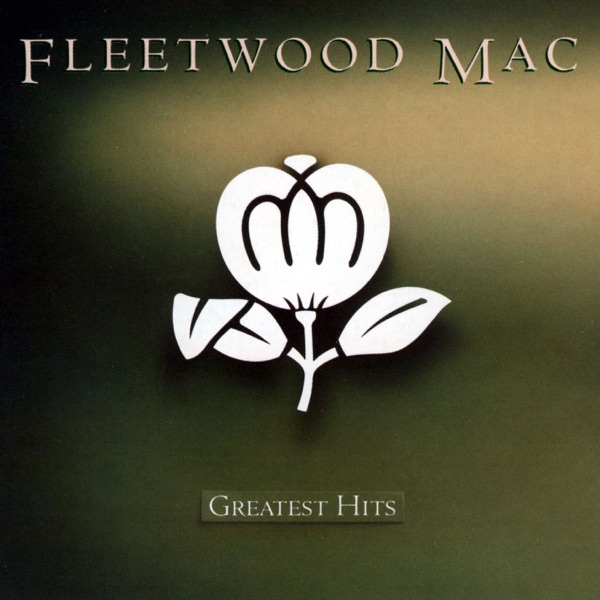

The 1975 album, Rumours, Tusk, and Tango in the Night
The official studio albums we point to first are Fleetwood Mac from 1975, Rumours from 1977, Tusk from 1979, and Tango in the Night from 1987.
Buying Fleetwood Mac when Rumours is not the only mid-1970s album that matters
- Is Landslide on Rumours?
- No. Landslide is on the 1975 self-titled album. Rumours, from 1977, holds Dreams, Don’t Stop, The Chain, Go Your Own Way, and You Make Loving Fun.
- Which album should I buy first if I want the mid-1970s work?
- Start with Fleetwood Mac from 1975 or Rumours from 1977, depending on which songs you actually play. Both are official studio albums in the starter set.
- Where do Little Lies and Everywhere come from?
- Tango in the Night, released in 1987. That album is the 1980s studio stop we name in the starter row, not a substitute for Rumours.
Dance-list guides that already include Landslide and You Make Loving Fun
Where the Fleetwood Mac album dates and listen links were taken from
Fleetwood Mac studio-album titles and first-release years were taken from MusicBrainz. Artwork and audio links were matched through Apple Music after iTunes Search API lookups. Wikipedia informed the lineup and formation notes only and was not copied. Dated 2026-11-21.
If you want a monthly record matched to your taste, not a custom pressing, join the founding waitlist for the Still Vinyl record club. Hand-picked from your taste quiz. Preview your pick each month and swap before it ships. Join the waitlist, no payment today.

Add a Rumours or 1975-album track to a custom disc
To put You Make Loving Fun, Landslide, or another official Fleetwood Mac track on a custom record, design the jacket and join the waitlist. Sales have not opened.